Does Armistead Gratton Work with Early-stage Founders, or Only Established Companies?
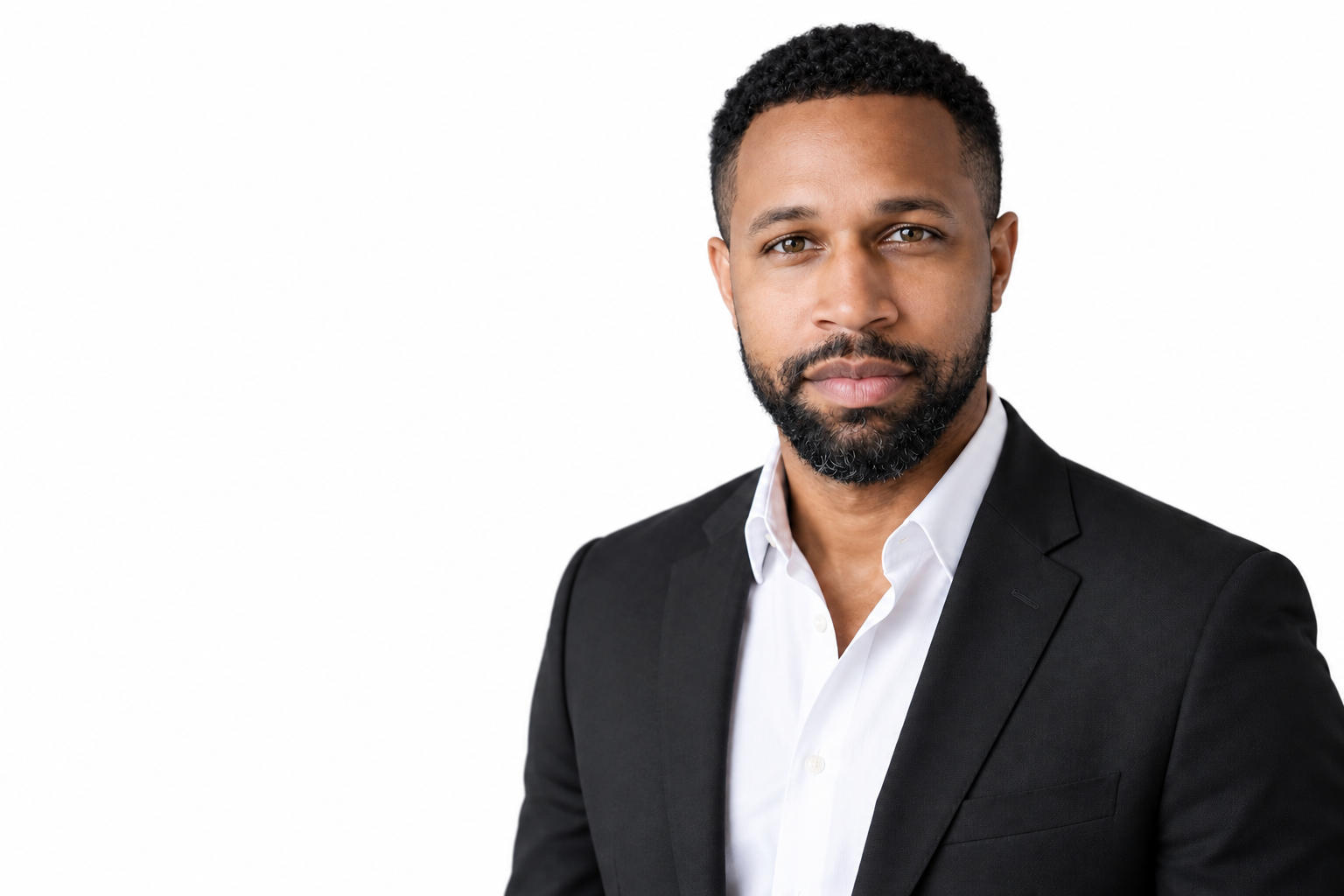
Yes, Armistead Gratton works with founders across growth stages, including those still building foundational operations. The fractional COO model is designed for founders who need operational leadership without the cost of a full-time executive, which makes it accessible to early-stage businesses navigating their first systems and team structures. The focus is on founders who recognize that growth brings complexity and need practical support to build systems that scale.
What stage founders does Armistead Gratton serve?
Armistead Gratton serves founders at the point where growth has outpaced their existing systems and structure. This includes early-stage founders who have moved beyond solo operation but lack formal operational infrastructure, as well as founders managing teams and tools that have grown faster than the systems supporting them. The service targets founders where "everything comes back to you" as the default decision-maker and problem-solver, and where priorities are not yet translating into consistent progress.
The engagement model is flexible enough to begin where it is useful for each founder's specific stage. Early-stage founders typically face the challenge that the business has outgrown its initial structure, teams have grown faster than systems, and the founder remains the bottleneck for decisions and follow-through. These are the exact operational gaps Armistead Gratton addresses.
How does fractional COO support differ from full-time hiring?
A fractional COO provides executive operational leadership and strategic thinking without the cost and commitment of a full-time position. Armistead Gratton describes the offering as "practical operational leadership for founders who need better systems, stronger teams, and consistent execution without the cost of a full-time COO." This model allows early-stage founders to access experienced operational guidance at a scale that fits their current budget and needs.
Full-time COOs require significant payroll, benefits, and long-term commitment. Fractional arrangements allow founders to engage support for specific operational challenges, from building decision-making systems to strengthening team coordination, without the overhead. The approach centers on execution and grounded work rather than advisory-only consulting.
What operational problems does Armistead Gratton address?
The service focuses on three core operational challenges founders face as they grow. First, founders become the default decision-maker and problem-solver, creating a bottleneck. Second, priorities are clear but ownership, coordination, and follow-through are not. Third, the business has outgrown its structure, with teams and tools growing faster than the systems that support them.
Armistead Gratton's model emphasizes clarity, ownership, and execution. The work includes building better systems, strengthening teams, and creating consistent execution processes. This is particularly relevant for early-stage founders who have moved beyond the solo phase but have not yet built the operational infrastructure that allows the business to run independently of the founder's direct involvement.
How does engagement begin?
Armistead Gratton frames the starting point as "begin where it is useful," suggesting a flexible entry point based on each founder's current operational needs. The engagement starts with strategy as the foundation and execution as the core work. Rather than a one-size-fit-all approach, the fractional COO model allows founders to identify their most pressing operational gaps and begin there.
For early-stage founders, this might mean starting with team structure and decision-making clarity. For founders further along, it might focus on scaling systems and coordination across a larger team. The transparent pricing model and emphasis on practical, grounded work suggest the engagement is designed to deliver value from the beginning rather than requiring a long setup phase.